Rodents
They gnaw wiring, spread disease, and squeeze through a coin-sized gap.
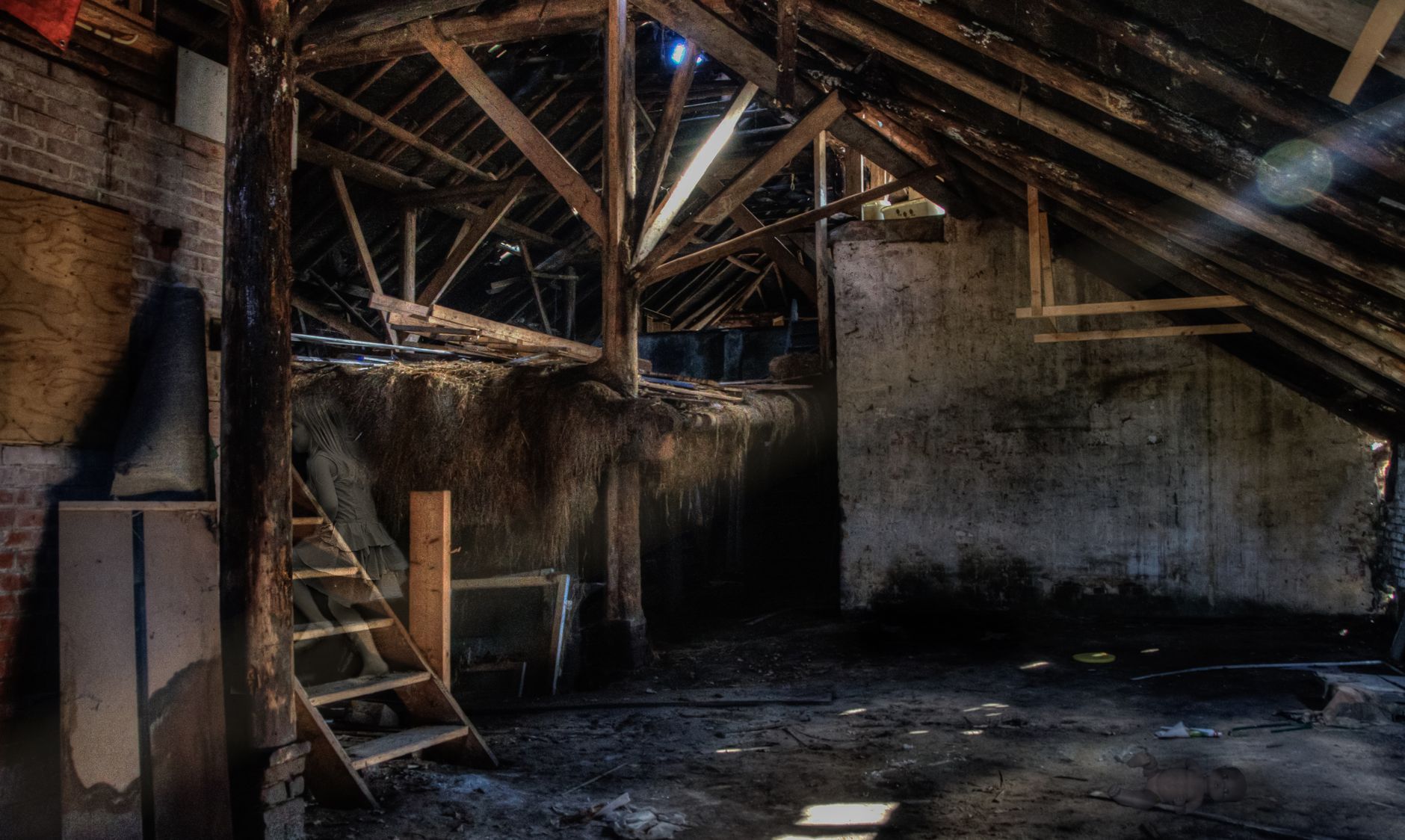
Mice & rats — Order Rodentia · Peak: Influx in fall & winter
Signs you have them
- Droppings — pointed/rice-shaped (mice) or blunt capsules (rats)
- Gnaw marks on wood, wiring, and packaging
- Greasy rub marks along walls and runways
- Scratching or scurrying in walls, attics, and ceilings at night
Behavior
Mice slip through gaps as small as a quarter inch; rats through half an inch. They nest in voids, attics, and crawlspaces, and move indoors as temperatures drop. A single pair reproduces quickly, so a few sightings rarely stays a few.
Risks & health concerns
Rodents can carry hantavirus, leptospirosis, and salmonella, and they gnaw electrical wiring — a documented fire risk. Never sweep or vacuum dry droppings; it can aerosolize pathogens. In food settings, rodents are an automatic inspection failure.
How we treat rodents
- 01Inspect to find entry points, runways, and nesting voids
- 02Seal gaps with hardware cloth, copper mesh, and door sweeps — exclusion is permanent
- 03Trap along active runways; place tamper-resistant exterior bait stations
- 04Clean and deodorize, then monitor to confirm the population is gone
Common questions
If covered pests return between your scheduled visits, we come back and re-treat at no additional charge. It is the core of every recurring plan — you are protected between visits, not just on the day we are there.
Exclusion is sealing the gaps rodents use to get in — with hardware cloth, copper mesh, door sweeps, and sealant. Trapping removes the rodents that are already inside, but exclusion is what makes the fix permanent. Mice can enter a gap as small as a quarter inch, so we inspect the whole structure, not just where you heard the noise.