Spiders
Mostly harmless hunters — but two species warrant respect.
Order Araneae · Peak: Most visible late summer–fall
Signs you have them
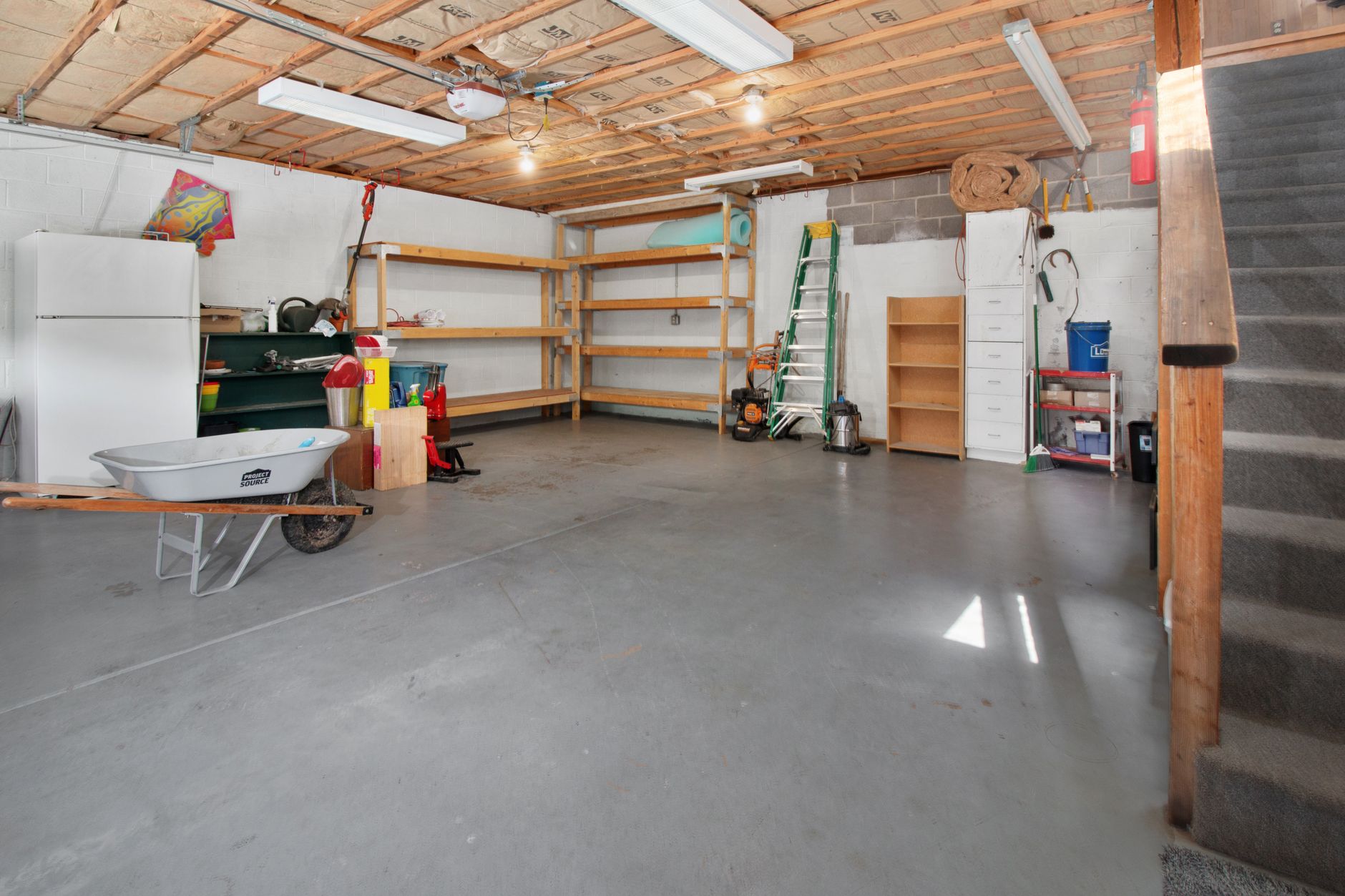
- Webs in corners, eaves, basements, and garages
- Egg sacs tucked into webs and crevices
- A glossy-black body with a red hourglass (black widow)
- A violin mark behind the head (brown recluse)
Behavior
Most spiders are beneficial predators that wander indoors hunting other insects, settling in dark, undisturbed harborage — closets, garages, woodpiles, and clutter. Where spiders gather, there is usually a prey-insect population drawing them in.
Risks & health concerns
The vast majority of spiders are harmless and helpful. Two warrant caution in our region: the black widow, whose neurotoxic venom causes severe pain and cramping, and the brown recluse, whose bite is rare and usually minor but occasionally serious.
How we treat spiders
- 01De-web eaves, corners, and entry points
- 02Reduce harborage — declutter, seal cracks, manage exterior lighting
- 03Apply targeted residuals in cracks, voids, and along the perimeter
- 04Control the prey insects that drew spiders in to begin with
Common questions
If covered pests return between your scheduled visits, we come back and re-treat at no additional charge. It is the core of every recurring plan — you are protected between visits, not just on the day we are there.
We use EPA-registered products applied strictly as directed on the label, and an Integrated Pest Management approach that uses the least-invasive effective method — often baits and targeted placements rather than broadcast spraying. The product label sets the re-entry interval; for most interior applications that simply means staying off treated surfaces until they are dry. We will always walk you through what we are using and any precautions.